The main types of algae found in pools are:
-
Green Algae – The most common type of algae. It’s typically free-floating and turns your water a cloudy green color. It’s often caused by poor circulation, low chlorine levels, or inadequate filtration.
-
Yellow (Mustard) Algae – This type of algae appears as yellowish or mustard-colored spots and tends to cling to pool surfaces. It’s more difficult to get rid of than green algae and may require stronger treatments.
-
Black Algae – The most stubborn type of algae, black algae attaches itself to pool surfaces with deep roots. It’s typically found in crevices or areas with poor water circulation.
-
Pink Algae – A rare but persistent type of algae that often grows in the pool’s plumbing or filters. It tends to form slimy, pink streaks.
Steps for Algae Cleaning:
1. Test and Balance Pool Chemistry
Before addressing algae growth, ensure your pool’s chemistry is balanced. Use a pool water test kit to check levels for:
-
Chlorine – Ensure chlorine levels are between 1-3 ppm (parts per million).
-
pH Level – Keep the pH between 7.2 and 7.6 for optimal chlorine efficiency.
-
Alkalinity – Ideal levels range from 80-120 ppm.
-
Cyanuric Acid (for outdoor pools) – Should be between 30-50 ppm to help stabilize chlorine.
If these levels are off, adjust them accordingly before starting the algae treatment process.
2. Shock the Pool
Shocking the pool means adding a large dose of chlorine or a pool-specific oxidizer to destroy algae and other organic contaminants in the water. This process helps kill algae cells and improve the effectiveness of your filtration system.
-
How to Shock:
-
Add pool shock (super-chlorination) according to the manufacturer’s instructions (typically, you’ll need to add 1 pound of shock for every 10,000 gallons of water for severe algae blooms).
-
You can use liquid chlorine or calcium hypochlorite shock, both of which are highly effective.
-
It's best to shock the pool at night to prevent the sun from burning off the chlorine before it can work.
3. Brush the Pool
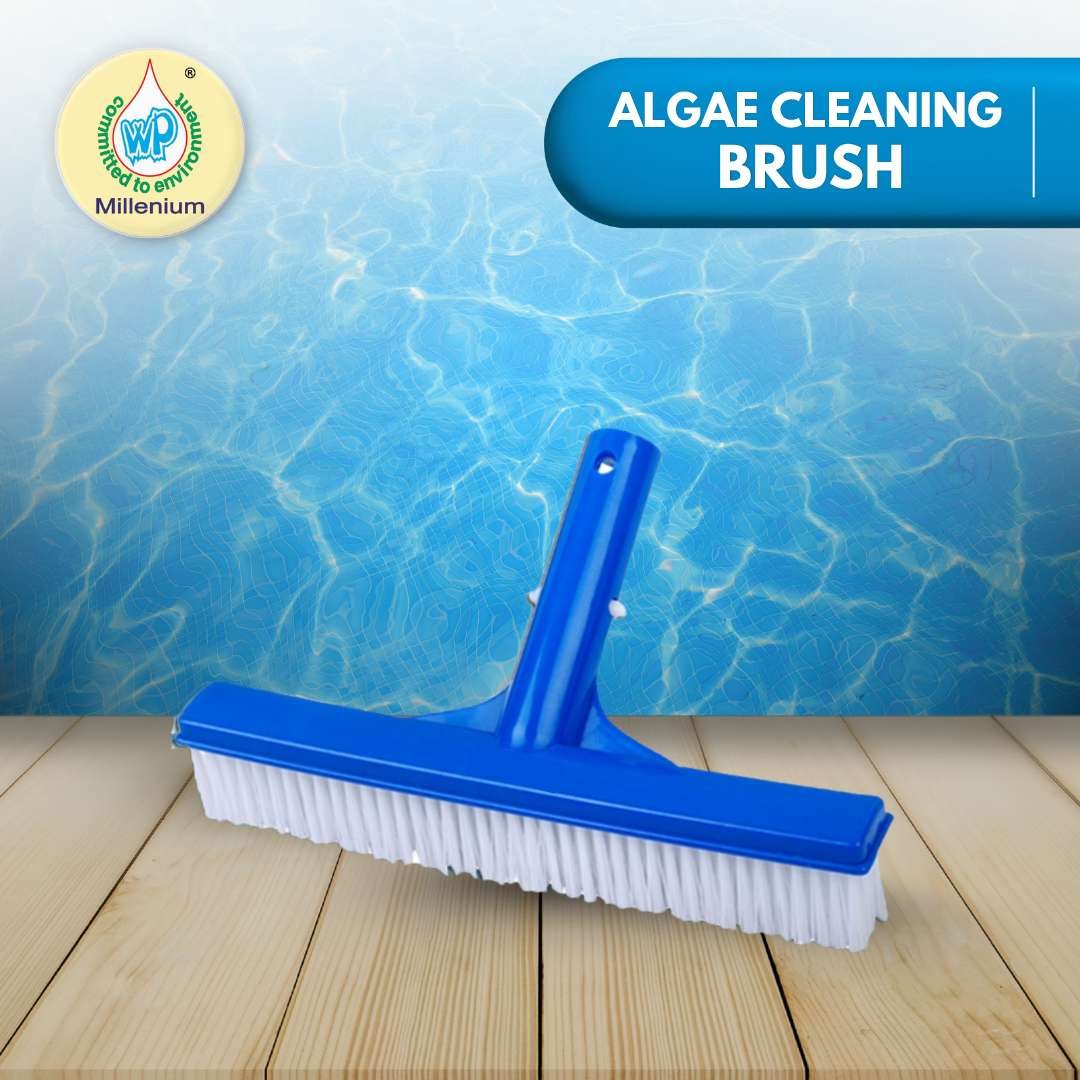
Brushing the pool’s walls, floor, and waterline is a critical step, especially if you're dealing with stubborn algae like black or mustard algae. Scrub the surfaces with a pool brush, paying special attention to corners, steps, and any crevices where algae can hide. This will help break up algae and allow the shock treatment to penetrate and work more effectively.
-
Brushes to Use:
-
For plaster pools, use a nylon-bristled brush.
-
For fiberglass or vinyl-lined pools, use a softer brush to avoid damage to the pool surfaces.
4. Run the Pool Pump and Filter
After shocking and brushing, run the pool pump and filter continuously for at least 24 hours. The filter helps to remove dead algae and other particles from the water, ensuring your pool water clears up more quickly.
If you have a sand filter, you might want to backwash it after the algae treatment to ensure that it’s not clogged with algae residue. If you’re using a cartridge filter, check to see if the cartridges need cleaning or replacing.
5. Use Algaecide (Optional)
After shocking the pool, you can apply an algaecide as a preventive measure or to help kill any remaining algae. Algaecides are chemicals designed specifically to target and kill algae. However, they should not be relied upon as a sole treatment—they work best when used in combination with proper shock treatments.
-
Types of Algaecides:
-
Copper-based algaecides – Effective against green algae and some yellow algae but can stain pools if overused.
-
Quaternary ammonium compounds – Useful for treating green algae.
-
Polymer-based algaecides – Great for long-term prevention.
6. Vacuum the Pool
After the shock treatment has had time to work and the algae has started to die, it’s time to vacuum the pool. Use either a manual vacuum or an automatic cleaner to remove dead algae, dirt, and debris from the bottom of the pool. If the algae bloom was severe, this step may need to be repeated several times over the course of a few days.
7. Maintain Good Filtration
Ensure your pool’s filtration system is running properly and clean it regularly. Make sure the filter is clean and functioning at full capacity to remove dead algae and other debris from the water.
-
Tips:
-
Regularly clean the skimmer and pump baskets.
-
Ensure your pool pump is running for at least 8-12 hours a day, especially during peak algae season.
8. Continue to Monitor and Balance the Pool Water
After the algae is cleaned and the pool is back to normal, continue to monitor the chemical levels, especially chlorine. You might need to add small doses of chlorine or shock the pool again until water clarity is restored.
Preventing Future Algae Growth:
-
Maintain Proper Pool Chemistry: Regularly test and balance the pool’s water chemistry to ensure it stays in the optimal range.
-
Keep the Pool Clean: Regularly skim the pool’s surface, brush the walls, and vacuum the pool to remove debris and contaminants.
-
Improve Pool Circulation: Ensure the pool pump and filter system is working properly and circulating water effectively. Poor circulation can lead to algae growth in certain spots.
-
Add Regular Doses of Algaecide: For preventative maintenance, you can use algaecide on a monthly basis or during algae-prone seasons (summer or high heat).
-
Ensure Proper Pool Covering: Use a pool cover when the pool is not in use, especially during off-season periods. This helps to keep debris and organic matter out of the pool.